Biomedical Ethics for the Contemporary Church
The course will be held over two weekends in Kuching, Sarawak, Malaysia
Biomedical Ethical Challenges Facing the
Contemporary Church
STM TEE module

We are living in a time of a tsunami of
change. Christians are often swarmed by newer and latest technologies without
having a chance to examine the ethical considerations. This course will help to
surf this tsunami by evaluating from a pastoral-theological perspective, issues
that will involve everyone at some time in their lives. These issues include
abortion, mercy-killing, advance medical directives, test tube and designer
babies, gene editing, stem cell therapies, cloning, reproductive issues, gene
therapy, prenatal testing, chimera research, life enhancement, aesthetic
surgery, organ transplant, and regenerative medicine. These challenges are
affecting every Christian in one way or other.
This non-technical course is for pastors,
church leaders, counsellors and church members who are interested in surfing.
Speaker
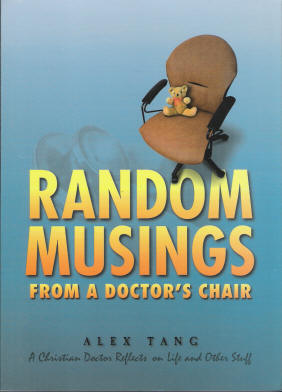
Dr Alex Tang is associate professor of
paediatrics in Monash University and consultant paediatrician at KPJ Johor
Specialist Hospital. He is an ordained Presbyterian elder and lectures at
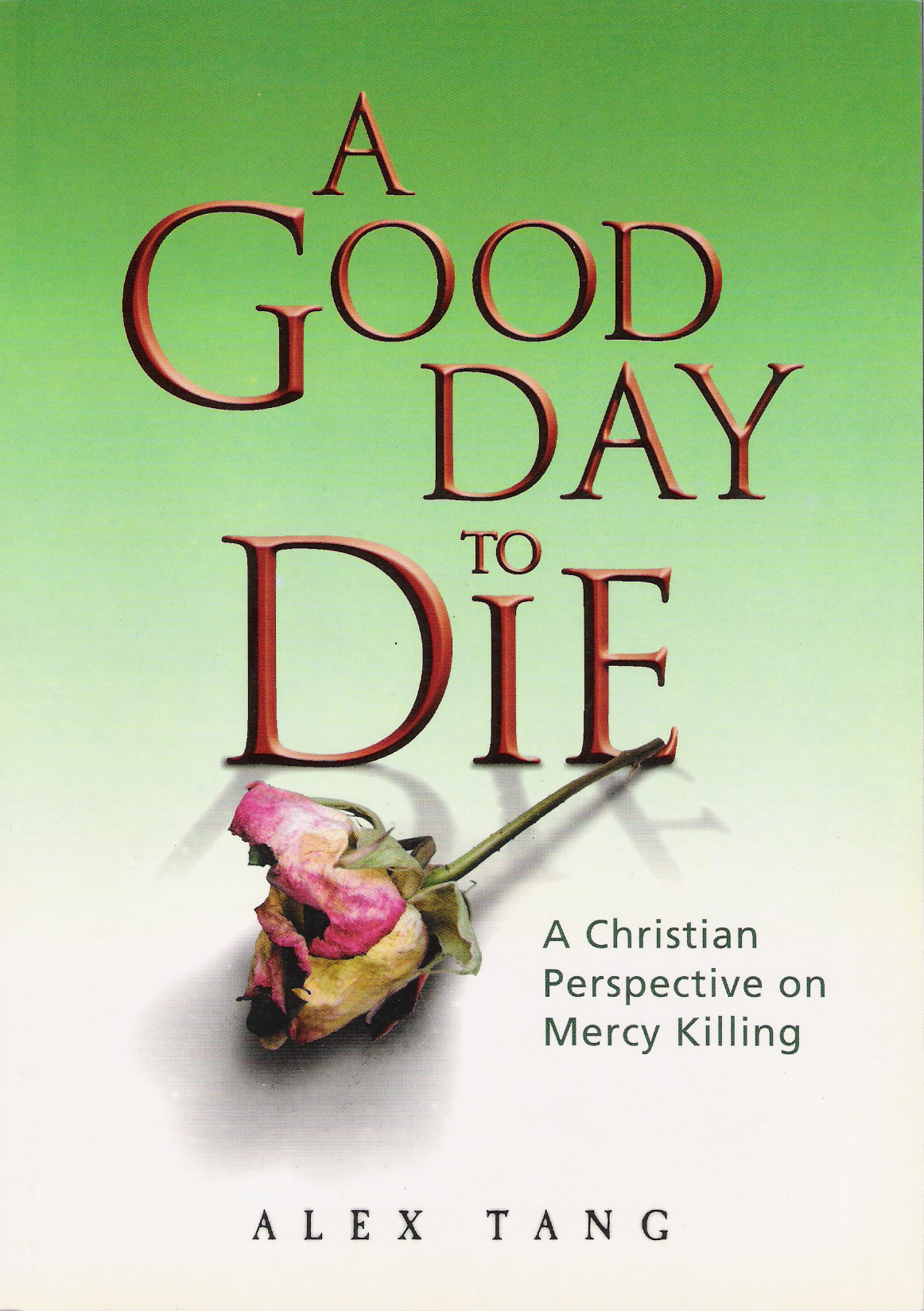
several seminaries. He has authored two books on biomedical ethics; A Good Day to Die on euthanasia or mercy
killing and Live and Let Live on
abortion, cloning and reproductive ethics and published numerous articles. For
more information, visit his website at www.alextang.org
Labels: Bioethics, Biomedical Ethics, Genetic testing, Synthetic Biology
 posted by Alex Tang at 3:23 PM
|
0 comments
Share
posted by Alex Tang at 3:23 PM
|
0 comments
Share


 There have been an significant two days meeting on synthetic biology in Washington D.C. that seem to have been missed by many. Summers Johnson of blog.bioethics.net blogs about it